Fore! Some links on this page are affiliate links. If you click and buy, we may earn a small commission at no extra cost to you. We only recommend gear we believe will help you play your best golf.
Everyone knows that a good putter can make or break your golf game. It’s all about precision and feel on the green. But what exactly makes a putter great? Well buckle up, because the golf viking is here to tell you exactly that. Let’s break it down.
First, the importance of balance in a putter can’t be overstated. The putter should have a nice, evenly distributed weight that promotes a smooth and stable stroke. Really, you want something that feels good in your hands and keeps things steady when the pressure’s on.
Material matters, too. A high-quality putter usually comes built with durable materials like stainless steel or carbon, ensuring not just longevity but consistent performance over time. These materials provide excellent feedback, which is crucial for those long putts.
Then there’s the head shape and size. Putters come in various designs—blade, mallet, and all those funky new shapes. Each shape offers something unique, so finding the one that aligns with your swing style could be a game-changer. Test out different kinds to see what feels right for you.
Top brands come into play here. These companies have fine-tuned and tested their putter designs to meet the needs of golfers at every level. Whether it’s the traditional craftsmanship of Scotty Cameron or the innovative designs of Odyssey, there’s a wide selection out there tailored to suit different tastes.
In golf, confidence in your tool is key. So, picking a putter that matches your physical and mental game is essential, almost like marrying the right pair of shoes with your favorite outfit. It just fits—you’ll feel it when you know. So what makes a putter good for distance control?
If dialing in your speed is only half the battle, precision on the line is the other. If you’re curious about which models shine when it comes to pure accuracy, check out our deep dive into the best putters for accuracy. These are the tools that help you zero in on your target and shave strokes where it matters most—on the green.
Who This Guide Is For (AKA: The Lag Putting Support Group)
If your long putts regularly turn into accidental approach shots, welcome, my friend.
This guide is for you if:
- Your 30–60 foot putts either die 10 feet short… or launch 10 feet past like you’re storming a castle
- You’re tired of the classic “great first putt… now I need a great second putt” situation
- Fast greens make you feel like you’re putting on frozen Viking ice
- You want a putter that helps your stroke feel steady, smooth, and predictable (even when your nerves aren’t)
- You’re chasing the true dream: more tap-in putts… fewer 3-putt tragedies
Because here’s the truth:
✅ Distance control isn’t about draining 40-footers like a PGA Tour robot.
It’s about leaving yourself a stress-free second putt so you can walk to the next tee like a champion…
…instead of like a man who just got robbed by a small white ball.
Let’s fix that.
Quick Picks: Best Putters for Distance Control
Best Overall:
Scotty Cameron Phantom X 9Best for Beginners: Cleveland HB Soft 2
Best for Fast Greens: Scotty Cameron Phantom X9
Best Budget: Cleveland HB Soft 2
Best Premium: Bettinardi INOVAI
| Putter | Best For | Style | Face/Feel | Check Price |
| Scotty Cameron Phantom X 9 | Premium Stability+ distance control | Mallett | Firm | |
| Odyssey White Hot OG | Soft feel +consistent speed | Mallett | Soft | |
| TaylorMade Spider GT | High MOI | Mallett | Soft | |
| Cleveland HB Soft | Best budget distance control | Mallett | Soft | |
| Ping Anser 2 | Classic feel | Blade | Firm | |
| Evnroll ER2V | Speed consistency across face | Blade | Firm | |
| Bettinardi INOVAI | Premium roll+forgiveness | Mallett | Firm | |
| Cobra King Agera | Maximum forgiveness | Mallett | Soft | |
| PXG Battle Ready | Adjustable feel+stability | Mallett | Medium | |
| Mizuno M Craft | Milled feel | Blade | Firm |

Essential Features for Optimal Distance Control
Distance control might be one of the trickiest aspects of putting, but it’s also where the magic happens. Every golfer wants that precise touch to sink that long putt with perfect pace. Having the right distance control can be the difference between birdies and par(or worse).
Weight distribution is where it all begins. A putter with the right balance can help you maintain a consistent stroke, meaning fewer three-putts and more confident rolls. You’ll want a putter that feels comfortable throughout the entire swinging motion.
Design elements like the face insert can dramatically affect how the ball leaves the putter. Specialized inserts can provide softer or firmer feedback, adjusting the distance based on your stroke style. This offers a way to customize your putting game to your liking.
Don’t underestimate the grip. It plays a significant role in controlling distance. A comfortable grip helps maintain control and prevents any slipping, letting you focus on the putt itself. A solid grip will set you up for a successful putt.
Alignment aids on the putter also come into play. These lines or markings guide your eye and align your shot, contributing to both precision and control. When the eyes see clean paths, your brain follows suit—kind of like driving a car. So test out these aids to make sure they line your putts up nicely.
While it’s slightly less talked about, the loft angle on your putter can also influence distance. It determines how much ball roll you’re getting on impact, so adjusting this can make all the difference, especially on different greens. Knowing the roll you’ll get can be crucial, especially on greens with many contours and valleys.
Overall, a putter’s design isn’t merely about striking looks but combines advanced features crafted to offer players confidence on the green. Matching your playing style to these features can refine your game one stroke at a time. Here we go.
Still finding your rhythm with putting? No worries—we’ve got a full guide to the best putters for beginners that highlights forgiving designs and confidence-boosting features perfect for newer golfers looking to improve consistency without overcomplicating their stroke.
How to Choose the Best Putter for Distance Control
Distance control is the real secret to better putting. Most golfers don’t actually lose strokes because they miss 4-footers all day… they lose strokes because they can’t consistently control speed from 20–50 feet.
If your long putts keep finishing 8 feet short (or blasting 8 feet past), a better putter can help — but only if it matches your stroke and gives you consistent roll.
Here are the key things to look for when choosing a putter for better distance control:
Mallet vs Blade: Which Is Better for Lag Putting?
This is one of the biggest factors for distance control.
- Mallet putters tend to be more forgiving and stable, which helps you keep your speed consistent even on slight mishits. They’re usually the best option if your putts come up short or you struggle with 3-putts.
- Blade putters give you more feedback and “feel,” which some golfers prefer for dialing in speed — especially if you already roll the ball pretty well but want sharper touch.
✅ Quick Rule:
If you want the easiest path to better distance control, start with a high-MOI mallet.
2) Look for High MOI (Less Twisting = More Consistent Speed)
MOI stands for Moment of Inertia, which is just a fancy way of saying:
“How stable the putter is when you don’t strike the ball perfectly.”
And trust me — nobody hits the exact center of the face every time.
Higher MOI = the putter twists less on mishits = the ball comes off the face with more consistent speed.
That’s a huge deal for long putts, because one small mishit can turn a 3-foot comeback putt into a 7-footer.
3) Face Feel Matters More Than People Think
Distance control is mostly speed control, and speed control is heavily connected to feel.
Putters generally fall into 3 feel categories:
- Soft feel (inserts): helps many golfers control speed because impact feels smoother and quieter
- Firm feel (milled faces): gives sharp feedback and can help golfers who like a crisp roll
- Medium feel: best of both worlds
✅ Quick Rule:
If you tend to hit putts too hard, a softer-feeling putter can help you “take the edge off.”
If you tend to leave putts short, a firmer feel can help you feel a more confident strike.
4) Toe Hang vs Face Balanced (Match Your Stroke)
This matters because the putter should naturally want to move the way your stroke moves.
- Face-balanced putters are usually best for a straight-back, straight-through stroke
- Toe-hang putters are better for golfers with an arc in their stroke
If you’ve ever felt like you “fight” the putter through impact, it may not match your stroke type — and that can mess with both accuracy and speed.
✅ Simple Tip:
If you don’t know your stroke type, a putter that works for a slight arc is usually the safest middle-ground for most golfers.
5) Don’t Ignore Putter Length (It Affects Speed Control)
A putter that’s too long or too short can mess up your setup, posture, and eye line — which leads to inconsistent strikes.
When your strike pattern moves around the face, your distance control suffers.
✅ Most golfers fit into:
- 33 inches (shorter golfers / more athletic posture)
- 34 inches (most common)
- 35 inches (taller golfers / more upright posture)
If you feel like you’re reaching or standing too tall, your stroke will get “handsy,” and speed control usually gets worse.
6) The Grip Can Quiet Your Hands (And Save Your Distance Control)
If your hands get too involved in the stroke, your speed is going to be inconsistent — especially under pressure.
A slightly larger grip can help by:
- reducing wrist breakdown
- smoothing tempo
- improving contact consistency
This is one of the easiest upgrades for better lag putting.
✅ If you’re a “flippy” putter, prioritize a grip style that promotes stability.
7) The Best Putter Still Needs Practice (But It Can Make Practice Easier)
Even the best putter on the planet won’t magically fix distance control overnight — but the right one makes it easier to build a repeatable stroke.
A stable putter that matches your stroke helps you:
- roll the ball consistently
- reduce face twisting
- build confidence on long putts
- leave shorter comeback putts
And when your long putts start finishing inside that 3-foot circle, the 3-putts start disappearing.
My Recommendation
If distance control is your #1 issue, prioritize this order:
✅ Stability (MOI) → Feel → Stroke Match → Grip
…and then choose the putter that gives you the most confidence over the ball.
Because the putter you trust is the one you’ll roll best when it matters.
✅ If you struggle with distance control:
Choose a putter with forgiveness + stability over “pure feel.”
Top 10 Best Putters for Distance Control (2026)
Distance control is crucial for reducing three-putts and improving overall putting performance. These putters are designed with forgiveness, consistent roll, and premium face technology to help you dial in your speed control.

1. Scotty Cameron Phantom X 9 – Best Overall for Distance Control
✅ Pros:
- Milled face for an ultra-consistent roll
- High MOI mallet design for stability
- Excellent feedback for fine-tuning speed
❌ Cons:
- Premium price tag
- Not ideal for golfers who prefer a soft insert
Final Thoughts:
A tour-proven putter that delivers the best balance of control, feel, and precision.
Scotty Cameron Phantom X 9 (Best Overall / Best Premium Lag Control)
Best for distance control if you…
- want a premium mallet that stays stable through impact
- struggle with long putts running past the hole
- like a putter that feels solid, not “clicky” or jumpy
Why it helps: The Phantom X 9 is built for stability and forgiveness, which makes speed control feel more repeatable—especially on those 30–60 foot “don’t 3-putt” putts.
👉 Check today’s price + options here →
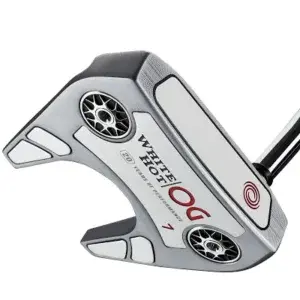
2. Odyssey White Hot OG#7 – Best for Smooth Roll
✅ Pros:
- Iconic White Hot insert for great feel
- Mid-mallet design helps stabilize longer putts
- Consistent speed across the face
❌ Cons:
- Less feedback than a fully milled face
- Not as much adjustability as premium putters
Final Thoughts:
A great option for golfers who want a soft feel and reliable roll on long putts.

3. TaylorMade Spider GT – Best for Forgiveness & Distance Control
✅ Pros:
- Extreme perimeter weighting for stability
- Pure Roll² insert enhances consistency
- High MOI keeps putts on line
❌ Cons:
- Larger footprint than traditional putters
- Takes time to adjust to the feel
Final Thoughts:
One of the best putters for maintaining consistent speed, even on off-center strikes.
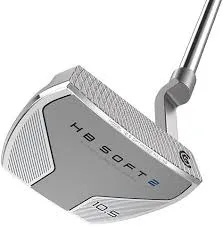
4. Cleveland HB Soft – Best Budget Option
✅ Pros:
- Milled face for pure roll at a lower price
- Deep face milling improves speed control
- Classic mallet design for forgiveness
❌ Cons:
- Less premium look than high-end putters
- Lacks interchangeable weights
Final Thoughts:
A fantastic budget-friendly putter with great distance control and soft feel.
Cleveland HB Soft (Best Budget / Best for Beginners)
Best for distance control if you…
- want better pace control without spending Scotty money
- need a forgiving putter that helps on mishits
- want something simple that just works
Why it helps: The HB Soft line is a cheat code for golfers who want smooth feel + predictable roll, which is exactly what lag putting needs.
👉 See current price + versions here →
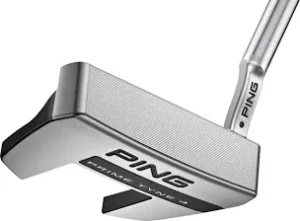
5. Ping 2024 Anser 2 – Best for Traditionalists
✅ Pros:
- Deep milled face for exceptional touch
- Classic blade design with modern enhancements
- Perfect balance of feel and consistency
❌ Cons:
- Blade shape may not suit high handicappers
- Less forgiving than high-MOI mallets
Final Thoughts:
An excellent putter for golfers who prefer a traditional design with great speed control.
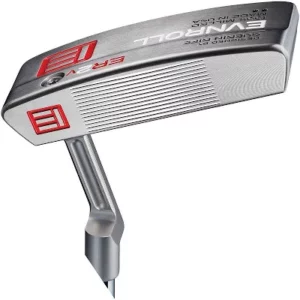
6. Evnroll ER2V – Best for Even Roll Distance Control
✅ Pros:
- Patented groove technology for equal ball speed
- Precision-milled design for superior consistency
- Wide-blade shape offers stability
❌ Cons:
- Premium pricing
- Not as forgiving as oversized mallets
Final Thoughts:
A game-changer in distance control with its unique groove pattern that ensures consistent roll no matter where you strike the ball.
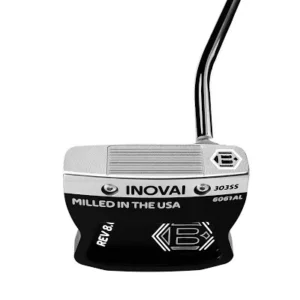
7. Bettinardi INOVAI 8.0 – Best Premium Milled Mallet
✅ Pros:
- Multi-material construction for ultimate stability
- Milled face with soft carbon steel for better feel
- High MOI keeps speed consistent
❌ Cons:
- Expensive compared to competitors
- Heavier feel may not suit all players
Final Thoughts:
Perfect for players who want a high-end milled mallet for superior distance control.
Bettinardi INOVAI (Best for High-MOI / “Tech” Premium Pick)
Best for distance control if you…
- want a premium putter with a more “engineered” feel
- need extra forgiveness on slight mishits
- like a stable head that helps you keep pace consistent
Why it helps: INOVAI-style designs are all about MOI and stability, which helps your long putts finish closer when contact isn’t perfect.
👉 Check price + specs here →
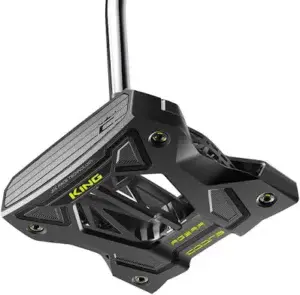
8. Cobra King 3D Printed Agera – Best for Consistency on Long Putts
✅ Pros:
- 3D-printed lattice structure for weight optimization
- SIK face technology for consistent launch
- High MOI makes speed control easier
❌ Cons:
- Larger mallet design won’t appeal to all golfers
- Premium price point
Final Thoughts:
A high-tech putter that maximizes speed consistency on long-distance putts.
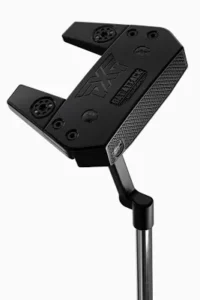
9. PXG Battle Ready Bat Attack – Best for Customization
✅ Pros:
- Adjustable weighting system for fine-tuning feel
- High MOI for better distance control
- Sleek design with great alignment aid
❌ Cons:
- Heavier feel than some players prefer
- Price is slightly higher than budget putters
Final Thoughts:
A great option for golfers who want to fine-tune their speed control with adjustable weighting.
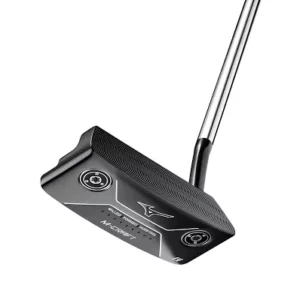
10. Mizuno M-Craft IV – Best Soft Feel Milled Putter
✅ Pros:
- Deep face milling for premium feel
- Excellent weight balance for smooth tempo
- Forgiving for a milled putter
❌ Cons:
- Not as forgiving as oversized mallets
- May take time to adjust to the weight
Final Thoughts:
A beautifully crafted putter for players who prioritize soft feel and control on longer putts.
Final Verdict
For the best overall distance control, go with the Scotty Cameron Phantom X 9. If you prefer soft feel, the Odyssey White Hot OG Rossie is a great choice. For maximum forgiveness and stability, try the TaylorMade Spider GT.
Each putter brings a unique edge to their game. Professional insights and real-world feedback from everyday golfers reveal that striking the right balance between feel, feedback, and distance control can transform your putting experience.
For players who prefer a more traditional feel and setup, blade-style putters remain a favorite. If you’re interested in exploring these minimalist but mighty options further, head over to our roundup of the best blade putters—you might find a few hidden gems that match your stroke style perfectly.
2 Quick Speed Control Tips (That Instantly Reduce 3-Putts)
1) Use the “1–2 Tempo Rule” (Stop Jabbing at Long Putts)
One of the biggest reasons golfers struggle with distance control is they get too quick on longer putts. The stroke turns into a little hit instead of a smooth roll — and the ball either dies short or rockets past.
A simple fix: keep a consistent tempo.
✅ Try this:
- Count “1” on the backswing
- Count “2” on the forward stroke
- Keep it smooth and even (no sudden acceleration)
This instantly helps your stroke feel more repeatable, especially from 20+ feet.
2) Use the “Dead-Hand Finish” (Let the Putter Do the Work)
Distance control gets worse when your hands try to “steer” the putter through impact. That usually causes a flippy stroke, inconsistent contact, and unpredictable speed.
✅ The fix: focus on a calm, quiet finish.
Try this feel:
- Light grip pressure (not tight)
- Smooth stroke
- Finish with the putter pointing at the target
- Let your arms and shoulders move the putter — not your wrists
If your hands stay quiet, the putter face stays more stable, and your speed becomes way more consistent.
FAQs: Best Putters for Distance Control
What type of putter is best for distance control?
For most golfers, a high-MOI mallet putter is the best choice for distance control because it stays more stable through impact. That extra stability helps keep your speed more consistent on long putts—especially on slight mishits.
Are mallet putters better for lag putting?
Yes, in most cases. Mallet putters usually offer more forgiveness and stability, which makes it easier to control distance on long putts (20–50 feet). Blades can still be great for speed control, but they tend to reward golfers who already strike the ball consistently.
Do insert putters help with distance control?
They can. A softer insert can make the ball come off the face with a smoother feel, which helps many golfers dial in speed—especially if you tend to hit putts too firmly. If you like more feedback, a milled face may feel better, but inserts are often great for “touch” and consistency.
Does putter weight affect distance control?
Yes. Heavier putters can help smooth your tempo and reduce sudden “jabby” strokes, while lighter putters can feel easier to swing but may be harder to control under pressure. The best weight is the one that helps you roll the ball the same distance with the same stroke every time.
What’s the best putter length for distance control?
The best length is the one that lets you set up comfortably so you strike the center of the face consistently. Most golfers do best with 33–35 inches, but even a 1-inch difference can change your posture and speed control.
Is face-balanced or toe-hang better for distance control?
Neither is automatically “better”—it depends on your stroke.
- Face-balanced putters tend to suit straighter strokes.
- Toe-hang putters tend to suit strokes with more arc.
When your putter matches your stroke naturally, your roll becomes more repeatable, and distance control improves.
Why do I always leave long putts short?
Most golfers leave putts short because they decelerate or get tentative through impact. It can also happen if you’re using a putter that doesn’t feel stable, so you subconsciously “steer” it. A more forgiving putter plus a simple lag-putting drill can help you build confident speed.
Why do I keep hitting putts too far past the hole?
This usually comes from an overly aggressive stroke, poor tempo, or greens that are faster than expected. A softer-feeling putter or a mallet with more stability can sometimes help, but the biggest fix is learning consistent tempo and practicing distance control from 20–40 feet.
Do expensive putters help with distance control?
Sometimes—but not always. Premium putters often have better milling, materials, and feel, but distance control comes mainly from stability, consistency, and confidence. Many mid-priced putters perform extremely well if they match your stroke and feel preferences.
How can I improve distance control without buying a new putter?
Two fast ways:
- Ladder Drill: Putt 5 balls trying to finish each one slightly farther than the last (without going past a target line).
- 10–20–30 Drill: Putt 3 balls from 10 feet, 3 from 20, and 3 from 30, focusing on leaving short comeback putts.
Even 10 minutes of this a few times a week makes a huge difference.

Choosing the Right Putter for Your Game
Selecting the right putter isn’t just about brand names or aesthetics; it’s deeply personal. It all boils down to finding the one that feels like an extension of you out on the green. Try out different models to get an idea of what you like in your putter.
Before committing to a specific model, try out a few different designs to see what fits your playing style best. Your comfort with a putter can significantly influence your performance, so test its weight and grip in various scenarios to make sure it’s a winner for you.
Consider your playing style. If you’re someone who likes a controlled, slower-paced stroke, you might lean towards putters with softer inserts or balanced weighting. On the flip side, if you prefer a firmer strike, a putter with a solid face might do the trick. Your style of putting plays a factor in what putter will work best for you.
Don’t underestimate the importance of alignment. The right alignment aid on your putter can work wonders for hitting those tricky long-distance putts or tackling challenging slopes. It brings clarity to frustrating obstacles, helping you line up with confidence.
Maintenance is also key to keeping your putter in top condition. Regular cleaning and checking for any wear can ensure that it stays as precise as the day you bought it. Your prized tool deserves care to retain its performance edge. You definitely don’t want any dirt or debris knocking your ball off of your putting line.
Real-life success stories from golfers who’ve switched up their putter game remind us of the potential impact a well-chosen putter can bring. It’s not uncommon to see improvements in scores and confidence on the greens when the right match is made.
In essence, it’s all about matching your putter to your personal style and needs. This pairing can significantly enhance your game, improving your strokes and making you more agile and accurate during play. It’s like finding that perfect rhythm in a sport that thrives on precision. I’ll see you out on the golf course, putting kings.
Mallet putters dominate when it comes to forgiveness and alignment aids. If you think this head shape is the direction for your game, take a look at our list of the best mallet putters where we break down the most stable and confidence-boosting models on the market today.