
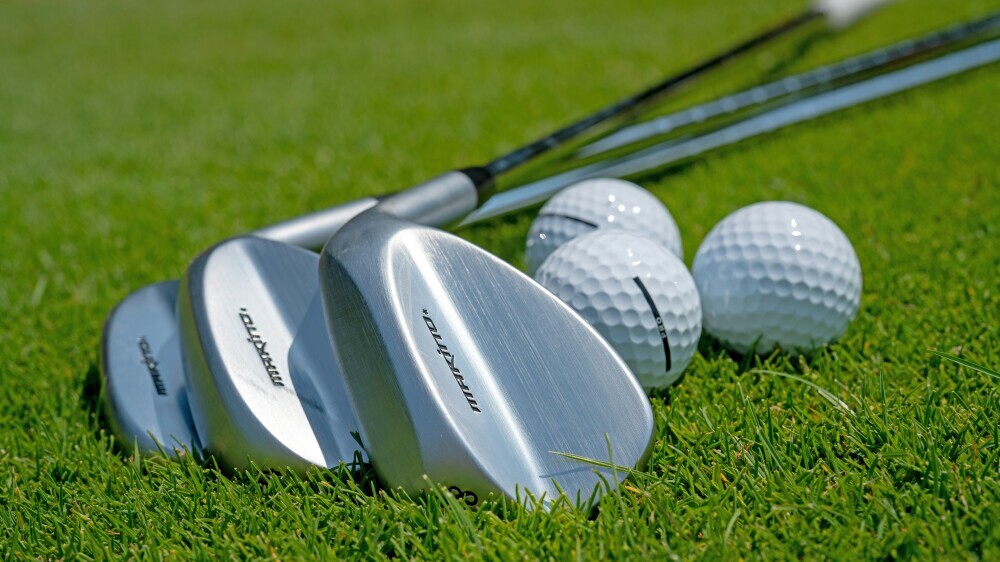
If you’ve ever hit a crisp wedge that takes one hop and sucks back like it’s got a remote control, you already know the truth: spin is a weapon. It’s also one of the fastest ways to lower scores, because it turns “hopeful” approach shots into predictable ones—especially from 120 yards and in.
But here’s the part most golfers miss: the “spinniest” wedge isn’t just one model. Spin comes from a combo of groove geometry + face texture + clean contact + the right loft/bounce/grind for your delivery. Thankfully(whew), the golf viking is here to save your game, once again.
The best wedges for spin are the ones that keep friction high even when conditions aren’t perfect—a little moisture, a bit of rough, sandy lies, or a slightly steep/shallow attack.
Below are 10 of the best wedge lines for generating serious spin (plus who each one is best for), along with a quick buyer’s guide so you don’t accidentally buy the “wrong” spin monster for your swing.
Top 10 Best Wedges for Spin
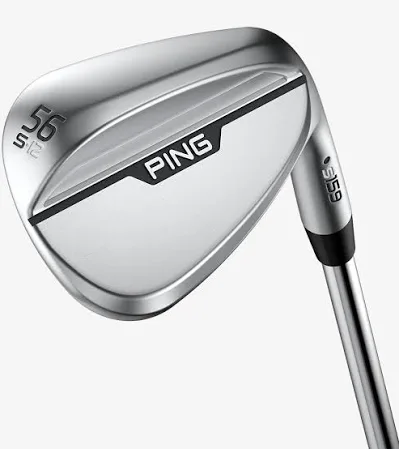
1) PING s159
Why it’s here: In independent testing that ranked wedges by spin performance, the PING s159 came out on top.
Who it’s best for: Players who want consistent spin across a variety of lies and yardages, and golfers who value predictable launch/spin windows.
Spin strengths:
Excellent consistency on full and partial wedge shots
Strong “control spin” (not just max RPMs—usable RPMs)
Potential drawback: If you’re extremely grind-specific, you’ll want to ensure the sole options match your turf interaction.
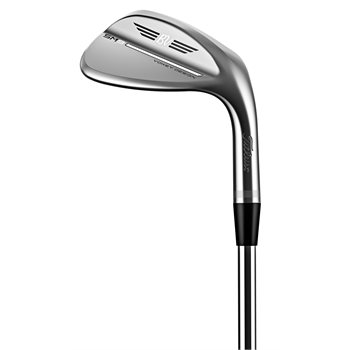
2) Titleist Vokey SM10
Why it’s here: Vokey wedges are basically the benchmark for controlled spin, and SM10 continues that with TX9 grooves that are cut differently based on loft and finish, plus tight manufacturing tolerances and face texture aimed at maximizing friction.
Who it’s best for: Golfers who want a Tour-proven system of loft/bounce/grind options and premium feel.
Spin strengths:
Strong spin on “stock” shots
Micro-texture helps on finesse shots around the green
Tons of grind options to dial in strike and turf interaction
Potential drawback: If you choose the wrong grind/bounce, you can sabotage your contact (and spin). Fit matters.
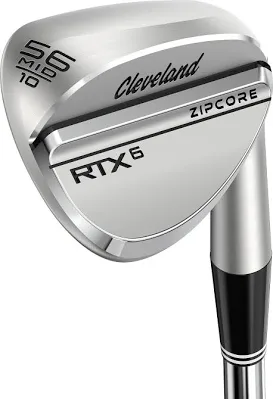
3) Cleveland RTX 6 ZipCore
Why it’s here: Cleveland has been crushing wedge performance tests, and RTX 6 ZipCore is engineered specifically to maintain spin from tougher lies. Tech like UltiZip grooves (sharper/deeper/closer) and face treatments designed for friction are aimed at producing high spin with consistency.
Who it’s best for: Players who want max bite plus confidence from rough and imperfect lies.
Spin strengths:
Grooves designed to channel debris and keep contact cleaner
Cleveland’s wedge line has shown strong wet-performance results in testing
Potential drawback: The “feel” is different than a Vokey/Mizuno-style forged sensation (some love it, some prefer softer).
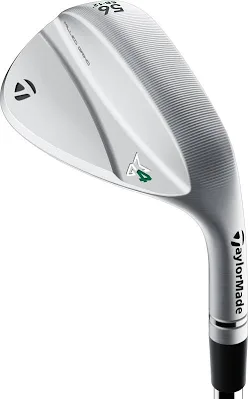
4) TaylorMade Milled Grind 4 (MG4)
Why it’s here: MG wedges are built around consistent milling and face tech meant to keep spin high when conditions aren’t perfect. In a spin-performance ranking list, Milled Grind 4 appears among the top performers.
Who it’s best for: Golfers who want a modern-feeling wedge with reliable face control on partial shots.
Spin strengths:
Strong on-flight control (launch + spin consistency)
Designed for repeatable strike and predictable rollout
Potential drawback: If you’re very steep, make sure you’re fit into the right bounce/sole.
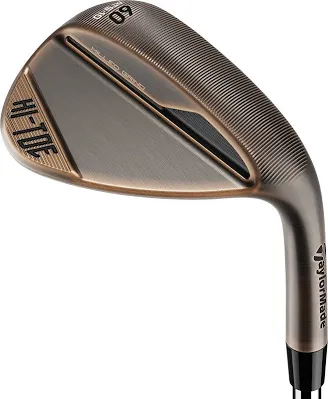
5) TaylorMade Hi-Toe 4
Why it’s here: Hi-Toe models are loved by players who like to manipulate the face—open it, hood it, hit cut spinners, etc. Golf Monthly highlights Hi-Toe 4 as a strong performer for control and versatility.
Who it’s best for: Creative wedge players and anyone who plays a lot of open-face shots (especially around the greens).
Spin strengths:
Great for face-open shots without losing strike consistency
Versatility helps you create spin with technique
Potential drawback: Not everyone loves the look; if you prefer a traditional teardrop wedge, test first.
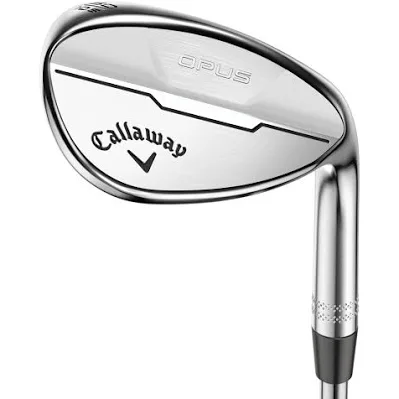
6) Callaway Opus / Opus Platinum
Why it’s here: Recent “best wedge” roundups call out Opus/Opus Platinum for producing low, high-spinning ball flights—a combo that screams “tour-style control.”
Who it’s best for: Players who want a modern premium wedge designed for spin + flight control.
Spin strengths:
Strong “zip” on controlled trajectories
Great for golfers who want to flight wedges down but still stop them quickly
Potential drawback: Premium price tier, and you’ll want to fit the grinds.
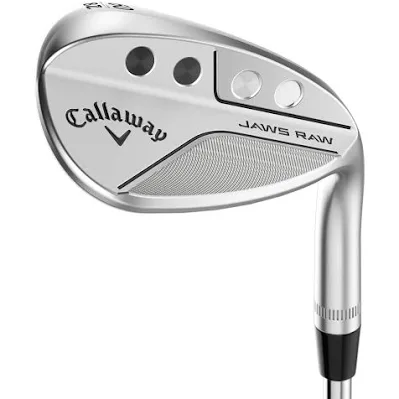
7) Callaway Jaws Raw
Why it’s here: Jaws Raw is built around aggressive groove geometry and a raw face concept designed to maximize friction. Reviews note design choices that emphasize sharp grooves and controlled “one hop and stop” style shots.
Who it’s best for: Golfers who love a slightly “meaner” wedge look/feel and want high friction on scoring shots.
Spin strengths:
Aggressive groove design focus
Raw face concept aims at maximizing face-to-ball interaction
Potential drawback: Raw faces patina/rust—some golfers love it, others hate the look.
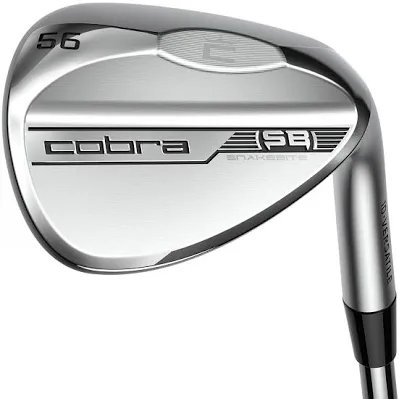
8) Cobra Snakebite
Why it’s here: Cobra’s Snakebite wedges consistently show up in “spin” conversations, and they appear high in spin-performance rankings.
Who it’s best for: Players who want strong spin value without always paying top-dollar “tour tax.”
Spin strengths:
Known for aggressive groove performance
Great “bang for buck” in many fittings
Potential drawback: As always: make sure sole options match your delivery.
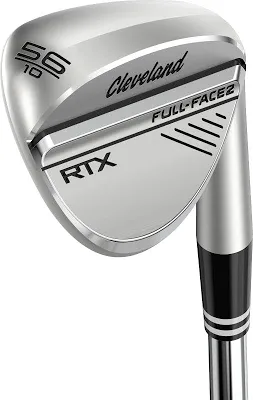
9) Cleveland RTX Full-Face 2
Why it’s here: Full-face grooves can be a cheat code for spin on open-face shots, toe-side strikes, and awkward greenside lies. This model ranks near the very top in spin-performance testing lists.
Who it’s best for: Golfers who hit a lot of open-face greenside shots, play from rough, or catch wedges slightly toward the toe.
Spin strengths:
Full-face groove coverage boosts “usable spin” on mishits and specialty shots
Confidence for flop shots, cut spinners, and bunker play
Potential drawback: Some players don’t like the full-face look at address.
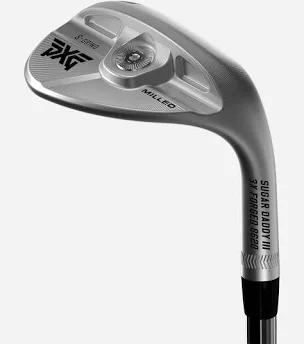
10) PXG Sugar Daddy III
Why it’s here: PXG’s Sugar Daddy line gets consistent praise as a premium wedge option, and it appears in spin-performance rankings lists as well.
Who it’s best for: Golfers who want premium craftsmanship, soft feel, and strong performance—and don’t mind paying for it.
Spin strengths:
Strong control-oriented wedge design
Premium feel and build quality
Potential drawback: Cost.
Comparison table (fast overview)
Wedge Best for Spin “type” Great if you…
PING s159 All-around control Consistent RPM Want reliable stop power
Vokey SM10 Fit + versatility Tour-style control Want lots of grinds/lofts
Cleveland RTX 6 ZipCore Tough lies High + stable spin Play in rough/wet often
TM MG4 Modern consistency Predictable Want repeatable flight
TM Hi-Toe 4 Open-face artistry Specialty spin Play flops/cut spinners
Callaway Opus/Platinum Flighted control Low + high spin Like “zip” on low shots
Callaway Jaws Raw Friction focus High bite Love raw/aggressive grooves
Cobra Snakebite Value spin High bite Want performance value
RTX Full-Face 2 Greenside chaos High on mishits Miss toward toe/open face
PXG Sugar Daddy III Premium feel Control spin Want boutique-level quality
How to choose the right “spin wedge” for your bag
Step 1: Pick your loft gapping (simple version)
Most golfers do well with one of these setups:
46/50/54/58 (common modern set wedges)
46/52/56/60 (classic)
48/54/60 (3-wedge minimalist)
50/55/60 (if you like specialty gapping)
If you’re unsure: start with a 54° and 58°, then fill the gap based on your set pitching wedge loft.
Step 2: Match bounce to your attack angle + turf
Steep / divot taker / soft turf: more bounce helps you not dig (better contact = more spin)
Shallow / sweeper / firm turf: less bounce helps you not bounce into thin shots
Step 3: Decide if you need full-face grooves
If you play lots of open-face shots, hit toe-side strikes, or struggle from rough—full-face can be a spin saver.

Key Features for Maximum Spin: What to Look for in a Wedge
Groove design plays a huge role in a wedge’s spin capabilities. These indents on the clubface might look like simple lines, but they’re engineered masterpieces. Deeper or closer grooves create more friction with the ball’s surface, generating that incredible backspin.
Sole design isn’t just for aesthetics—it’s fundamental in how a wedge interacts with the ground. A well-designed sole allows the club to glide through turf and sand, maintaining speed and control which are crucial for generating spin.
When it comes to balancing for spin control, weight distribution throughout the wedge can dictate how consistently a player can produce spin. The center of gravity impacts how a ball will react after contact, making it a critical feature for those seeking maximum control.
Don’t just settle for any shaft. The flex and material of a wedge’s shaft affect your swing’s tempo and spin outcome. Lightweight graphite or sturdy steel can dramatically alter your wedge’s performance, aligning with your personal swing style and generating excellent spin.
Choosing the right wedge involves more than just picking a loft. Consider the bounce, which dictates how the club interacts with turf. Then there’s the sole grind, which tailors the wedge for specific shots. In golf, details count, and having the right wedge means you’re always ready.
If you’re looking for a more in depth look at how to actually make the ball spin, check out Putting backspin on golf ball.

Choosing the Right Wedge for Your Game: Factors to Consider
Finding the wedge that matches your skills is key to getting the most out of your game. Assessing your playing level will guide you to wedges that enhance rather than hinder your shots.
When it comes to strategy, a wedge can make all the difference in your short game. It’s about more than just spin; think about how wedges can complement your approach to different situations on the course.
Versatility or specialization? Some wedges offer tremendous range and are forgiving, while others deliver specific results under precise conditions. Consider your frequent on-course scenarios before deciding.
Expert tips can elevate your wedge selection process. It’s easy to get caught up in marketing when choosing a wedge, but it’s crucial to stay focused on what will genuinely improve your game.
Avoid common buying pitfalls by prioritizing fit over brand. It’s important to remember that what works for a pro might not necessarily suit your playing style, so trust the fit as much as the feature list.
Quick cheat sheet: what actually creates wedge spin?
Spin is basically friction + launch conditions.
1) Grooves (and the rules)
Modern wedges are designed to maximize spin within the limits of the Rules of Golf. That means brands compete on:
Groove edge sharpness / geometry
Groove volume (how well grooves channel away moisture/grass)
Consistency across lofts (because a 46° and a 60° don’t impact the ball the same way)
2) Face texture (micro-milling)
Most “high-spin” wedges add micro-texture between grooves to increase friction. That’s why two wedges can look similar but perform very differently on partial shots.
3) Finish and conditions
Raw faces can sometimes help with friction consistency (and reduce glare), while specialty face treatments aim to keep spin up in wet/rough conditions (Cleveland’s approach is a great example).
4) The hidden key: fit
Even the best groove tech won’t help if you’re constantly:
digging the leading edge (wrong bounce/grind), or
blading it thin (wrong loft gaps / delivery mismatch)
Now that you understand what makes the ball spin, check out my list of the Top 10 Golf Clubs for Backspin

FAQs: wedges for spin
Do raw wedges spin more?
Sometimes they can help maintain friction consistency (especially as the face patinas), but contact quality matters way more. Raw is also about glare reduction and feel preference.
What golf ball gives the most wedge spin?
A urethane-covered “tour” ball generally spins more on wedge shots than a distance ball. If you’re gaming a hard-cover distance ball, even the best wedge won’t look as “rip back” dramatic.
Why do my wedges stop spinning after a few months?
Common reasons:
Grooves/face texture worn down
You’re cleaning grooves less often
You changed balls
Conditions (wet grass) reduce friction if the wedge isn’t designed for it (some designs handle this better)
Final thoughts: the “best wedge for spin” is the one you strike clean
If you want the safest pick, you can’t go wrong with the PING s159, Vokey SM10, or RTX 6 ZipCore—all proven spin performers with strong consistency credentials.
Wedges are the secret sauce to shaving strokes off your golf score. These clubs are designed to send the ball soaring with impressive accuracy while stopping it on a dime, thanks to the incredible spin they offer.
But what gives wedges their spin magic? It boils down to a few key features like clubface grooves, material, and weight balance. The more rough and well-angled these grooves are, the more friction they create with the ball, cranking up that all-important spin.
Navigating through the world of wedges, you’ll find a variety—pitching, gap, sand, and lob wedges. Each serves its own purpose, whether it’s a smooth run up to the green or getting out of a tricky bunker. Picking the right type can dramatically impact your play.
If you want to go further than just wedges and improve your all around short game, check out my Short Game Mastery Guide.